Public service
What the office of a Member of the Legislative Assembly actually involves, how a constituency matter travels from a public meeting to a government order, and the language this website uses to describe where each matter has reached.
01 The role
An MLA does not build the road. An MLA is the person the road’s file has to get past, and keep getting past, until it is funded.
Responsibility one
RepresentationCarrying the constituency’s concerns into the Maharashtra Legislative Assembly — one of 288 seats in the lower house of the state legislature.
Responsibility two
Legislation & debateTaking part in the House’s business: bills, budget discussion, questions and debate on matters of state policy.
Responsibility three
Administrative follow-upPursuing sanctions, transfers, reimbursements and approvals with the departments of the state government on the constituency’s behalf.
02 Constituency engagement
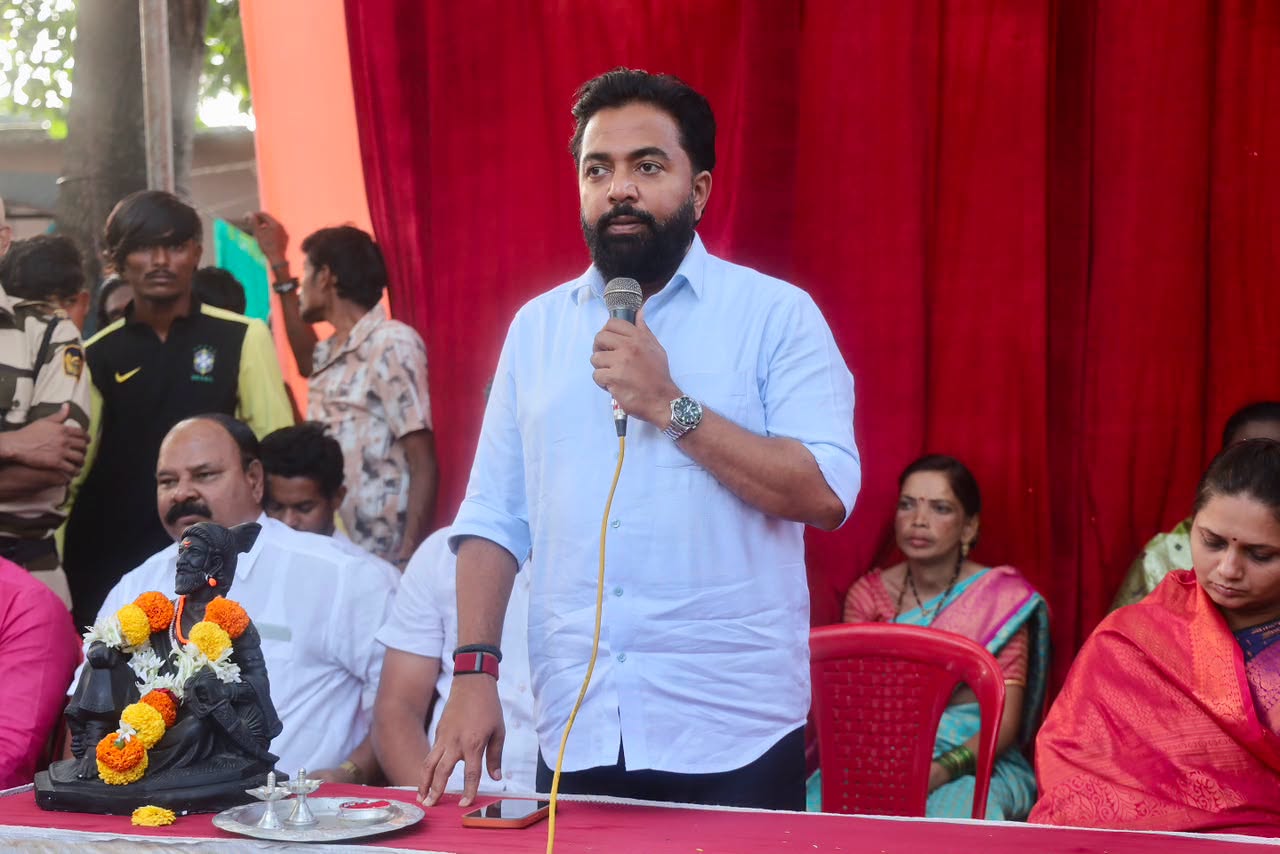
Where the work begins
Most of the business of a constituency is raised in the ordinary way: at a ward meeting, a mandal gathering, a visit to a colony that has been waiting on a drain, a delegation from a loom owners’ association, a family that needs a departmental file moved.
Ichalkaranji adds a particular pressure to that. It is a city of nearly three lakh people that became a municipal corporation only in 2022 and seated its first elected corporation council in January 2026 — so a large volume of civic business has had to be carried through the state government while the local institution was still being formed.
03 How a matter moves
Four stages, and why the difference matters
A public promise and a released rupee are not the same thing. This website labels every measure by the stage it has actually reached.
-
Stage 01
Representation
The matter is raised — in the constituency, in the House, or before a minister or department in Mumbai.
For example: the Krishna river water proposal placed before the state government in Mumbai, jointly with the Hatkanangle MP.
-
Stage 02
Announcement
The government states an intention publicly. Nothing is yet payable; the commitment is political, not administrative.
For example: the Juné–Danwad Krishna river water supply scheme announced for Ichalkaranji on 21 June 2026.
-
Stage 03
Sanction or approval
A cabinet decision or an administrative order attaches a figure and an authority to the matter. It becomes actionable.
For example: ₹15.33 crore approved on 1 July 2026 for the land transfer for the Ichalkaranji judicial complex.
-
Stage 04
Release and delivery
Money actually reaches the implementing body, or the work is completed. This is the only stage that may be called done.
For example: ₹20.16 crore of GST reimbursement released to the Ichalkaranji Municipal Corporation from May 2026, with a reported monthly stream thereafter.
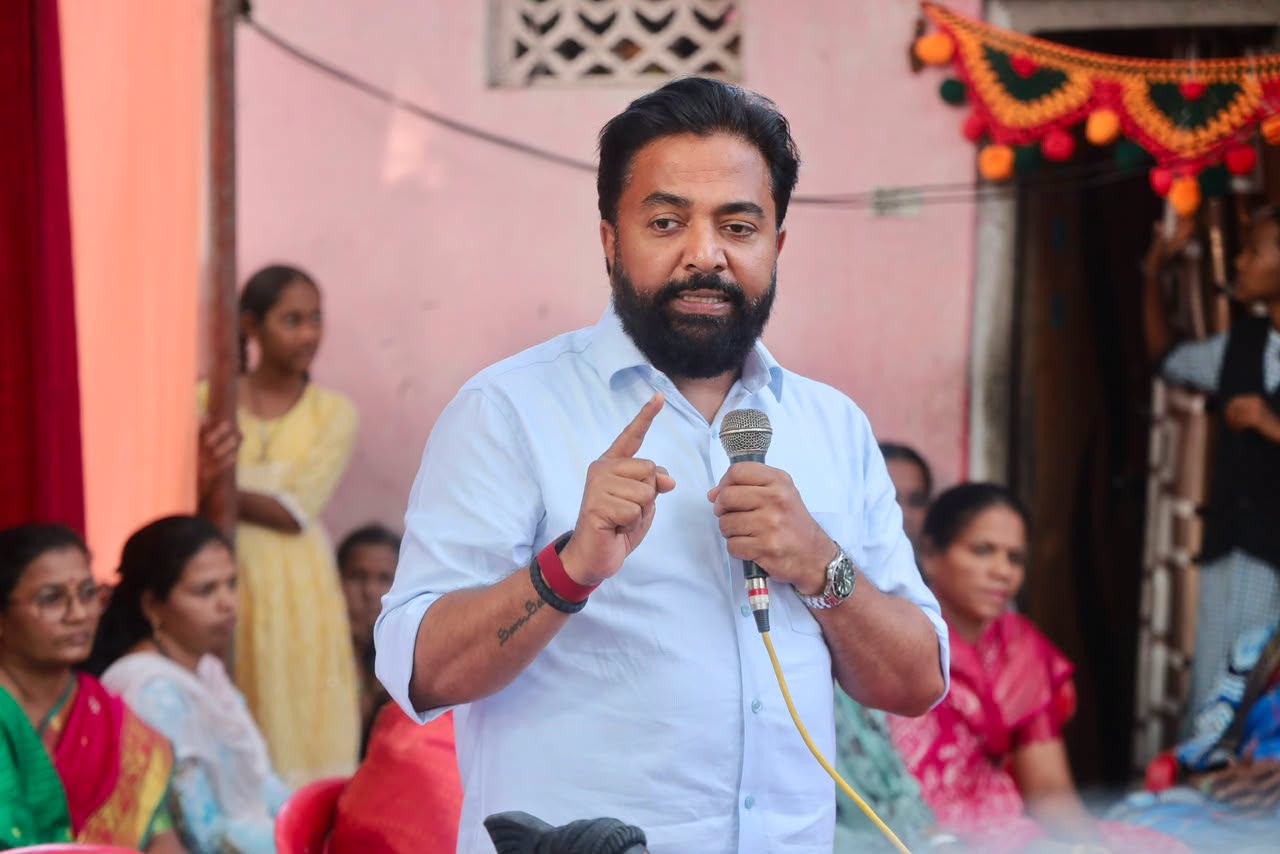
In the wards
A neighbourhood meeting is not a formality. It is where the list is made — and the list is what the follow-up is for.
04 How we describe status
A fixed vocabulary
These four labels are used consistently across the Initiatives, Development and News pages. Nothing is described as complete unless it is.
-
Announced
Stated publicly by the government or a minister. No sanction order yet.
-
Approved
A cabinet decision or administrative approval exists, with a figure attached.
-
Underway
Funds are being released, or the work has begun and is continuing.
-
Completed
The event has taken place, or the work is finished. Verifiable after the fact.
See the record
Every measure referred to on this page is listed with its date, its present status and a link to the public source it comes from.